
Section
Understanding Society
The institutions, economy and social trends behind the news.
-
Refugee, IDP, Evacuee — Words That Don’t Mean the Same Thing
"Refugee," "internally displaced person," "temporary protection," and "evacuee" are each terms defined by a different system, in a different way. Mixing them up describes a real person's status in a way that doesn't match the facts. This article works from the primary sources — the Refugee Convention, the UN's Guiding Principles, EU law, and Japan's Immigration Control Act — to set out what each term actually means, and a procedure writers can follow to check.
-
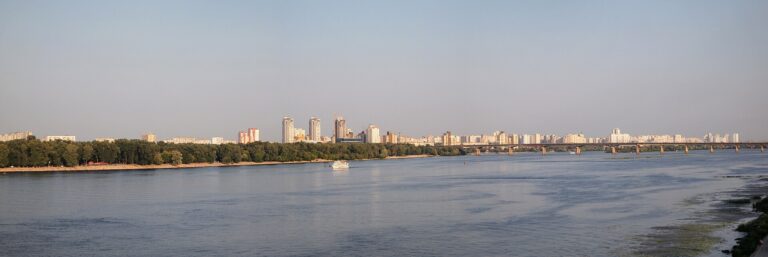
What Kind of Country Is Ukraine? — Area, Population, Language, Daily Life
A basic overview of Ukraine's area, population, languages, and daily life. The last census was in 2001, so every population figure since then is an estimate. For each number, we note the date and scope it covers, moving through geography, language, and daily life in that order.
-
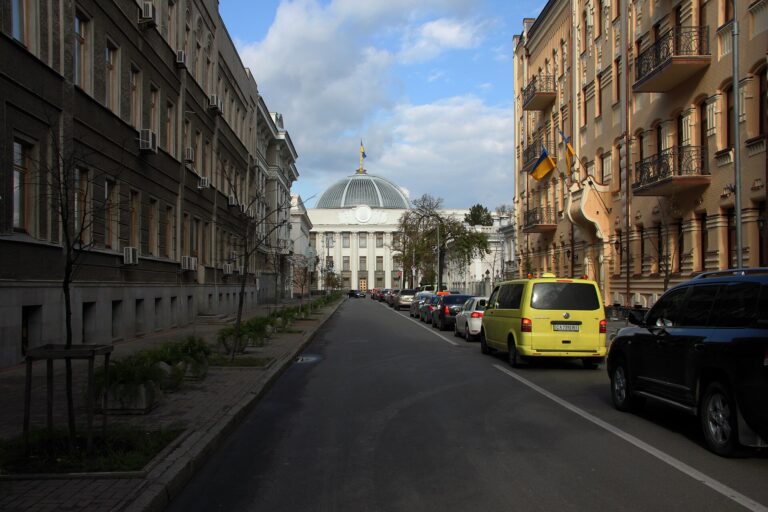
What Do Ukraine’s President, Verkhovna Rada, and Cabinet of Ministers Each Decide?
Ukraine's Constitution sets the Verkhovna Rada, the parliament, at 450 seats, and provides that the prime minister is nominated by the parliamentary majority, proposed by the president, and appointed by parliament. This article lays out the powers of the three institutions along with their article numbers, and introduces the legal basis for why no elections have been held since 2022, together with the debate over how that basis should be read.
-
A Timeline of Ukraine’s Independence and Russia’s Aggression, 1991–2026
From the declaration of independence on August 24, 1991, to the extension of martial law that began on August 2, 2026. This timeline covers events whose dates are recorded in UN General Assembly and Security Council resolutions, the records of the International Court of Justice and the International Criminal Court, and Ukrainian presidential decrees and laws. It does not cover the course of the fighting. Legal assessments are given together with the body that made them.
-
Reading News About Ukraine: Five Things to Check First
Who put it out, when and where it happened, what the evidence is, who is making the claim, and what is still unknown. Checking these five things in order, when reading information about Ukraine, lowers the odds of getting it wrong. Using real fact-checks that were published and how a United Nations report qualifies its own numbers as guides, this article walks through the steps.
-
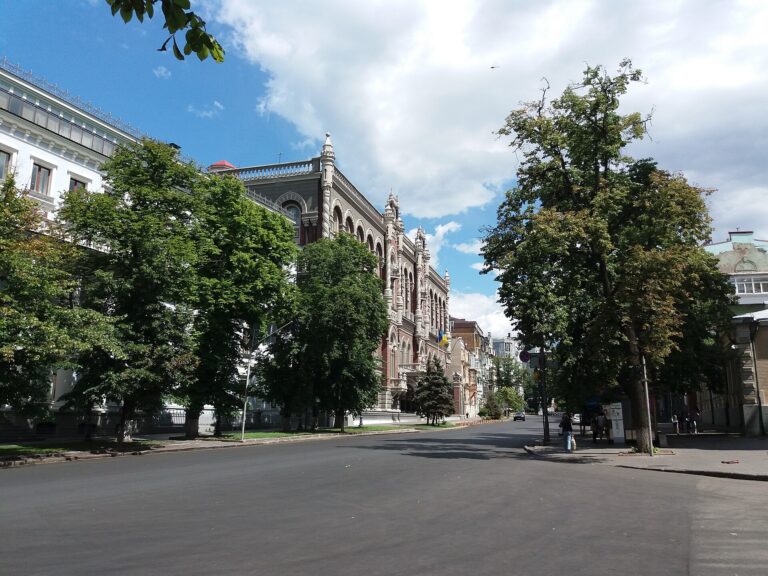
Reading Ukraine’s Wartime Economic Data — Scope, Exchange Rates, and Estimates vs. Final Figures
Ukraine's wartime economic statistics are not the same as peacetime statistics when it comes to the territory they cover, the exchange-rate basis they use, or how final the figures are. GDP, the inflation rate, international support, recovery cost estimates — every one of them becomes a misreading unless you attach which scope, which currency, and whether it is an estimate or a final figure. Drawing on published materials from the State Statistics Service of Ukraine, the National Bank of Ukraine, the World Bank, and others, this article shows how to attach that information.