Where to Start With Ukrainian Literature — Books Available in Japanese, by Genre and Era
Trying to read Ukrainian literature runs, before you even choose a book, into the question of where to draw the line around "Ukrainian literature" at all. This article sets out that line first, then lists books confirmed to exist in Japanese translation, organized by genre and era. It also notes that the katakana spelling of a name can differ from book to book. This is not a ranked recommendation.


The moment you think, “I’d like to try reading Ukrainian literature,” what trips you up first is not which book to pick, but where to draw the line around what counts as “Ukrainian literature” at all. Leave that unclear, and you end up reading a Soviet-era work as “a contemporary Ukrainian novel,” or taking a work written in Russian as representative of Ukrainian-language literature. This article sets out how that line can be drawn, and then lists, by genre and era, only the books whose existence in Japanese translation could be confirmed.
First, Decide the Scope of “Ukrainian Literature”
There are at least four possible lines to draw.
- Works written in the Ukrainian language
- Works by writers who were born and raised in Ukraine but wrote in another language, such as Russian
- Works written in the Ukrainian Soviet Socialist Republic during the Soviet period (1922–1991)
- Works by writers who currently hold Ukrainian citizenship
The four overlap but do not coincide. Depending on which you adopt, the same writer will fall in or out.
Why Gogol (Hohol) Is a Contested Case
A classic case is Nikolai Gogol (in Ukrainian, Mykola Hohol; 1809–1852), who was born in what is now Poltava Oblast and wrote in Russian. According to the entry in the Internet Encyclopedia of Ukraine, the assessment has been divided even among Ukrainian critics. Serhii Yefremov and Yevhen Malaniuk sharply criticized Gogol’s indifference to Ukrainian concerns, while Pavlo Fylypovych and Volodymyr Doroshenko emphasized how his Russian-language works contributed to the formation of Ukrainian national consciousness.
There is no single answer to “Is Gogol Ukrainian literature?” This article does not fix the scope; instead, for each book, it states in what language and when it was written. Works of the Soviet period in particular are treated as works produced under the censorship and repression of that time, and are not equated with works of today’s Ukraine.
Choosing by Genre
Epic and Poetry
Regarded as the starting point of modern literature written in colloquial Ukrainian is Ivan Kotliarevsky’s (1769–1838) Eneida (translated edition title: エネイーダ). According to the Internet Encyclopedia of Ukraine, the first three parts were published in 1798, and the complete work appeared posthumously in Kharkiv in 1842. The same entry places him as “the founder of modern Ukrainian literature.” The Japanese translation was published in 2026 by 幻戯書房 (Genki Shobo) in its ルリユール叢書 (Reliure) series, translated by Masayuki Uemura, whom the publisher credits with the first-ever Japanese translation.
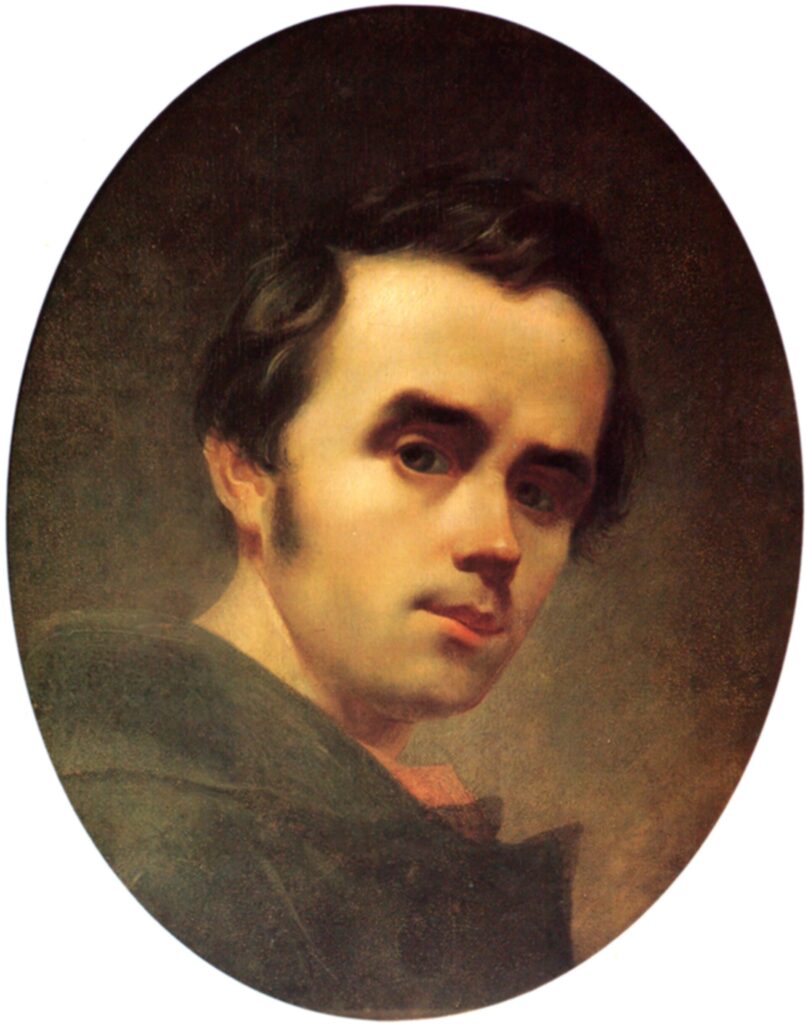
Among 19th-century poets is Taras Shevchenko (translated-edition spelling: Shevchenko; 1814–1861). Etsuko Fujii’s edited translation 『シェフチェンコ詩集』 (Collected Poems of Shevchenko) was published in 岩波文庫 (Iwanami Bunko) in October 2022, containing 10 poems. The same translator’s 『コブザール シェフチェンコ詩集』 (Kobzar: Collected Poems of Shevchenko, 2018) and 『マリア 叙事詩』 (Maria: An Epic Poem, 2009) were also published, both by 群像社 (Gunzosha).
Drama
In March 2025, Shin’ichi Murata’s edited translation 『ウクライナ戯曲集』 (Ukrainian Plays) was published by 国書刊行会 (Kokusho Kankokai). According to the publisher’s bibliographic page, it contains 3 works.
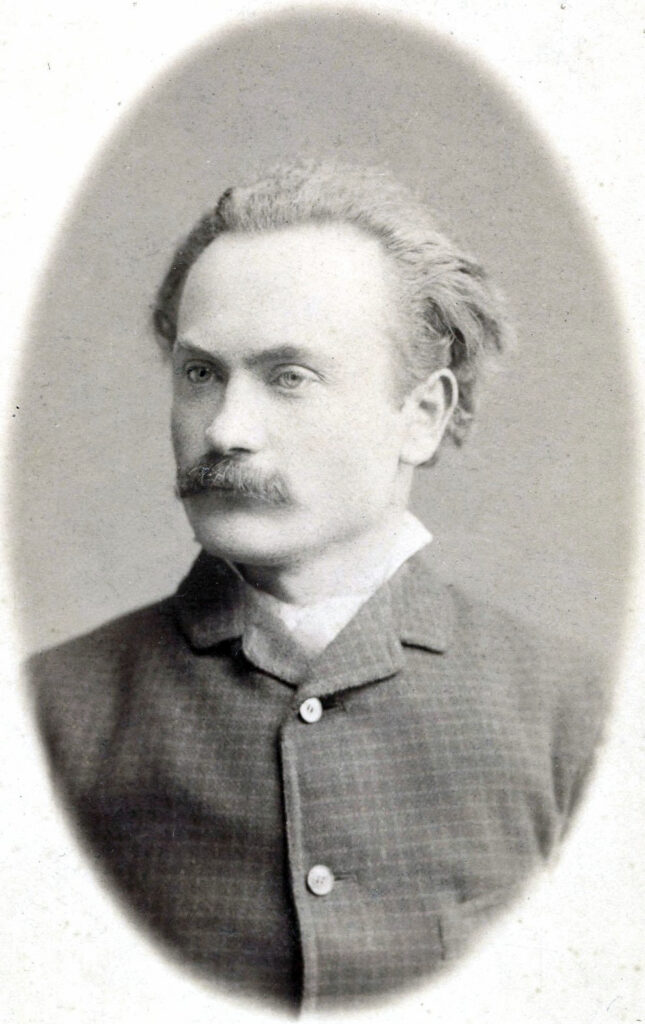




- Ivan Franko (1856–1916), “Stolen Happiness” (original 1894)
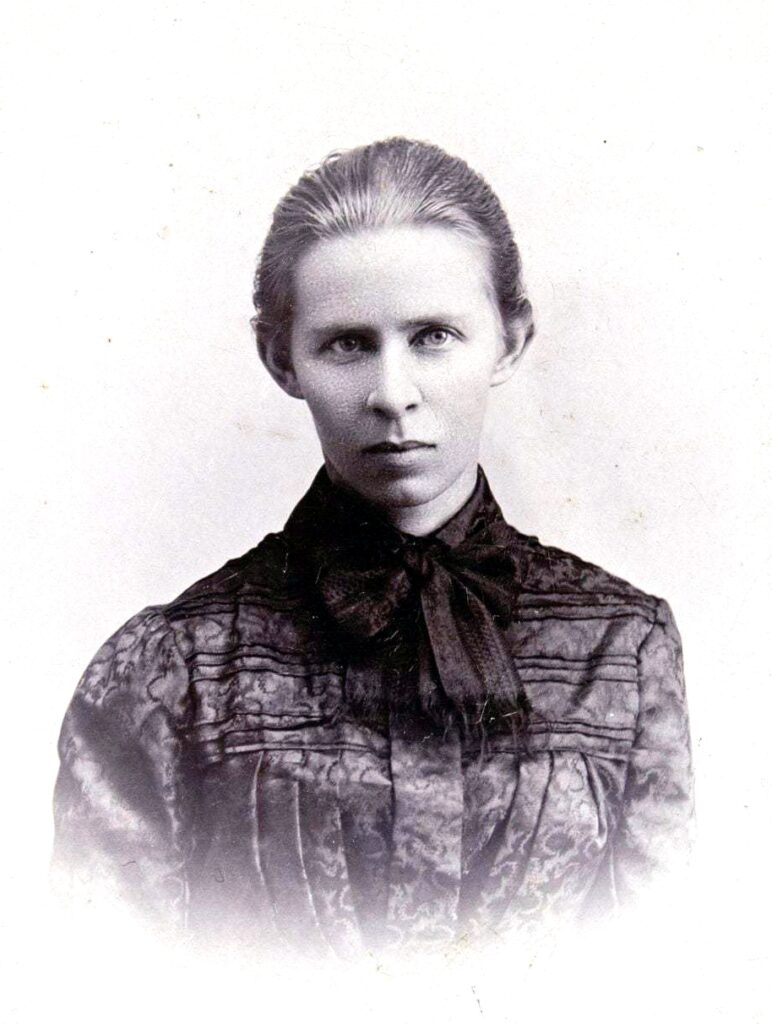
- Lesia Ukrainka (born Larysa Kosach-Kvitka; 1871–1913), “Cassandra” (original 1907)
- Mykhailo Semenko (1892–1937), “Lilith”
Short Stories
Etsuko Fujii and Olga Khomenko’s edited translation 『現代ウクライナ短編集』 (Contemporary Ukrainian Short Stories, 群像社, November 2005). The bibliographic record in the National Diet Library Search lists, among the works included, Yevheniia Kononenko’s “New Stockings.” What “contemporary” refers to here is up to the early 2000s.
Novels
For now, novel-length works readable in Japanese are concentrated in Andrey Kurkov: 『ペンギンの憂鬱』 (Death and the Penguin; translated by Kyoko Numano, 新潮社, September 2004) and 『灰色のミツバチ』 (Grey Bees; translated by Kyoko Numano, 左右社, October 2024). The publisher 新潮社‘s author introduction describes Kurkov as “a Ukrainian writer who writes in Russian” and states that he moved to Kyiv (spelled “Kiev” on that page) at age 3. On the fourfold scheme above, this places him in the second category. A Japanese translation of a Ukrainian-language novel could not be found this time.
Wartime Prose
Works published in Japanese after Russia’s full-scale invasion of Ukraine, which began on 24 February 2022, form by far the thickest layer.
- Ostap Slyvynsky, 『戦争語彙集』 (A Dictionary of War; translated and authored with Robert Campbell, 岩波書店, December 2023). A book arranging the testimony of displaced people around 77 words.
- Andrey Kurkov, 『侵略日記』 (Diary of an Invasion; translated by Megumi Fukuma, ホーム社 (Homesha), October 2023). Covers February to July 2022.
- The same author’s 『ウクライナ日記』 (Ukraine Diaries; translated by Yuki Yoshioka, July 2015) and 『戦争日記』 (Our Daily War; translated by Megumi Fukuma, August 2025; both from ホーム社).
There is also a route into writers’ own words through essay collections. Mitsuharu Akao and Yoshiya Harada, eds., 『ウクライナ文化の挑戦』 (The Challenge of Ukrainian Culture; 幻戯書房, 2025) is a collection by 22 contributors, whose first chapter is written by Victoria Amelina (rendered in that book as ヴィクトリア・アメーリナ). According to a PEN International statement of 3 July 2023, Amelina was injured on 27 June when a restaurant in the eastern city of Kramatorsk was hit by a Russian military strike, and died on 1 July at the age of 37. The same statement says she was the person who recovered and preserved the war diary of the writer Volodymyr Vakulenko, who had been taken away by Russian forces on 24 March 2022.
Rearranged by Era
| Period the original was written | Available in Japanese (year of Japanese publication) |
|---|---|
| Late 18th century | Eneida (original 1798 / Japanese 2026) |
| 19th century | Shevchenko’s poems (2009, 2018, 2022) |
| Late 19th–early 20th century | Franko’s and Ukrainka’s plays (2025) |
| 1920s–30s | Semenko’s play (as above). Nothing else could be confirmed |
| 1980s–90s | “Contemporary Ukrainian Short Stories” (2005) |
| Around 2000 | Death and the Penguin (2004) *written in Russian |
| 2014 onward | Ukraine Diaries (2015), Grey Bees (2024) *written in Russian |
| 2022 onward | A Dictionary of War, Diary of an Invasion (2023), Our Daily War, The Challenge of Ukrainian Culture (2025) |
Why the 1920s–30s Are Thin
Ukrainian-language literature of this period was cut short by Soviet repression in the 1930s. It has come to be known in later years as the “Executed Renaissance” (Розстріляне відродження). The Kyiv Independent (3 April 2026) reports that this name was coined in the 1950s by the émigré editor Jerzy Giedroyc, and that in November 1937, more than 100 Ukrainian writers, artists, and intellectuals were executed at Sandarmokh in Karelia. Semenko, too, was executed on 23 October 1937, according to the Internet Encyclopedia of Ukraine. The scarcity of books to read is itself, in part, a result of this history.
Kana Spellings of Names Differ From Book to Book
When searching in a bookstore or library, you sometimes cannot find a book unless you use the spelling given in the translated edition itself. Kurkov’s Japanese editions are consistent across all three publishers, all using the same Japanese-katakana rendering of his name.
| Ukrainian | This article’s rendering | Rendering in the translated/collected edition |
|---|---|---|
| Шевченко | Shevchenko | シェフチェンコ (in the Iwanami/Gunzosha editions) |
| Гоголь | Mykola Hohol | ニコライ・ゴーゴリ (the Russian-derived form has become established) |
| Амеліна | Victoria Amelina | ヴィクトリア・アメーリナ (幻戯書房 edition) |
Filling the Gaps Where Nothing Exists in Japanese
Since 2020, the Ukrainian Book Institute has run Translate Ukraine, a program funding the cost of publishing translations of books written in Ukrainian; according to the institute’s own page, 326 translated books have been published to date (none were carried out in 2022, because of the full-scale invasion). Whether, and how much, Japanese has been used through this fund could not be confirmed. In Japanese, university lecture collections such as Susumu Nonaka and Michiko Furumiya, eds., 『ウクライナからの声 戦争の中の国民と文学 講演集』 (Voices From Ukraine: The Nation and Literature in Wartime, a Collection of Lectures; Faculty of Liberal Arts / Graduate School of Humanities and Social Sciences, Saitama University, November 2024) can also serve as an entry point.
When choosing a single book, checking two things first — in what language it was written, and when — reduces the chance of misreading it. In the case of Ukrainian literature, the answer to that question is itself, in effect, an explanation of history.
Sources and article record
Sources and references
- <span lang="ja">『シェフチェンコ詩集』</span> (edited and translated by Etsuko Fujii, Iwanami Bunko Red-N772-1, October 2022) bibliographic page
Published by Iwanami Shoten · Checked: 2026-09-23 - <span lang="ja">『戦争語彙集』</span> (by Ostap Slyvynsky, translated and authored with Robert Campbell, December 2023) bibliographic page
Published by Iwanami Shoten · Checked: 2026-09-23 - <span lang="ja">『ペンギンの憂鬱』</span> (by Andrey Kurkov, translated by Kyoko Numano, September 2004) bibliographic page and author introduction
Published by Shinchosha · Checked: 2026-09-23 - <span lang="ja">『侵略日記』</span>by Andrey Kurkov, translated by Megumi Fukuma, October 2023, published by Homesha
Published by Shueisha · Checked: 2026-09-23 - <span lang="ja">『ウクライナ戯曲集』</span> (edited and translated by Shin'ichi Murata, March 2025) bibliographic page and contents
Published by Kokusho Kankokai · Checked: 2026-09-23 - <span lang="ja">『エネイーダ』</span> (by Ivan Kotliarevsky, translated by Masayuki Uemura, Reliure series, July 2026, first Japanese translation) bibliographic page
Published by Genki Shobo · Checked: 2026-09-23 - <span lang="ja">『ウクライナ文化の挑戦 激動の時代を越えて』</span> (edited by Mitsuharu Akao and Yoshiya Harada, November 2025) bibliographic page
Published by Genki Shobo · Checked: 2026-09-23 - <span lang="ja">『現代ウクライナ短編集』</span> (edited and translated by Etsuko Fujii and Olga Khomenko, Gunzosha Library 16, November 2005, 269 pages) bibliographic record and contents
Published by National Diet Library Search · Checked: 2026-09-23 - Search "Shevchenko Etsuko Fujii"confirms <span lang="ja">『コブザール シェフチェンコ詩集』</span>, Gunzosha, 2018; <span lang="ja">『マリア 叙事詩』</span>, Gunzosha, 2009; and <span lang="ja">『シェフチェンコ詩選』</span>, Daigakushorin, 1993
Published by National Diet Library Search · Checked: 2026-09-23 - Search "Kurkov Ukraine"confirms <span lang="ja">『灰色のミツバチ』</span>, Sayusha, October 2024; <span lang="ja">『ウクライナ日記』</span>, Homesha, July 2015; <span lang="ja">『戦争日記』</span>, Homesha, August 2025; and <span lang="ja">『侵略日記』</span>, Homesha, October 2023
Published by National Diet Library Search · Checked: 2026-09-23 - Search "Ukrainian literature"confirms <span lang="ja">『ウクライナからの声 戦争の中の国民と文学 講演集』</span>, edited and translated by Susumu Nonaka and Michiko Furumiya, Faculty of Liberal Arts / Graduate School of Humanities and Social Sciences, Saitama University, November 2024; and <span lang="ja">『ウクライナ戯曲集』</span>, Kokusho Kankokai, March 2025
Published by National Diet Library Search · Checked: 2026-09-23 - Search "The Challenge of Ukrainian Culture"confirms that the listed authors include "<span lang="ja">ヴィクトリア・アメーリナ ほか</span>"
Published by National Diet Library Search · Checked: 2026-09-23 - Search "Amelina Ukraine"zero results; the basis for stating that no Japanese translation of a solo work could be confirmed
Published by National Diet Library Search · Checked: 2026-09-23 - Search "Ukrainian poetry"confirms, among others, <span lang="ja">『エネイーダ』</span>, Genki Shobo, August 2026, and <span lang="ja">『愛と太陽の園』</span>, Choeisha, 2002
Published by National Diet Library Search · Checked: 2026-09-23 - Entry "Gogol, Nikolai"written by Dmytro Chyzhevsky, Danylo Husar Struk
Published by Internet Encyclopedia of Ukraine (Canadian Institute of Ukrainian Studies) · Checked: 2026-09-23 - Entry "Kotliarevsky, Ivan"written by Pavlo Petrenko
Published by Internet Encyclopedia of Ukraine (Canadian Institute of Ukrainian Studies) · Checked: 2026-09-23 - Entry "Ukrainka, Lesia"written by Petro Odarchenko; confirms her real name, dates, and "Cassandra," 1907
Published by Internet Encyclopedia of Ukraine (Canadian Institute of Ukrainian Studies) · Checked: 2026-09-23 - Entry "Franko, Ivan"written by Marko Robert Stech, Arkadii Zhukovsky; confirms his dates and "Stolen Happiness," 1894
Published by Internet Encyclopedia of Ukraine (Canadian Institute of Ukrainian Studies) · Checked: 2026-09-23 - Entry "Semenko, Mykhailo"written by Bohdan Kravtsiv; born 31 December 1892, died 23 October 1937, arrested and executed in 1937
Published by Internet Encyclopedia of Ukraine (Canadian Institute of Ukrainian Studies) · Checked: 2026-09-23 - Article "The Executed Renaissance: Ukraine's cultural rebirth and its violent death"Valeria Radkevych, 3 April 2026
Published by The Kyiv Independent · Checked: 2026-09-23 - Statement "Ukraine: PEN International mourns the killing of writer and PEN Ukraine member Victoria Amelina"3 July 2023
Published by PEN International · Checked: 2026-09-23 - Grant programme Translate Ukrainelaunched 2020; 326 translated books cumulative; not carried out in 2022
Published by Ukrainian Book Institute · Checked: 2026-09-23
Corrections and updates
- Retitled the article (former title: What Should You Read First in Ukrainian Literature? — Organized by Scope, Genre, and Era)
If you find an error in this article, please tell us via Corrections. Once we have checked it, we will record in the article what was corrected and why.